Power tools
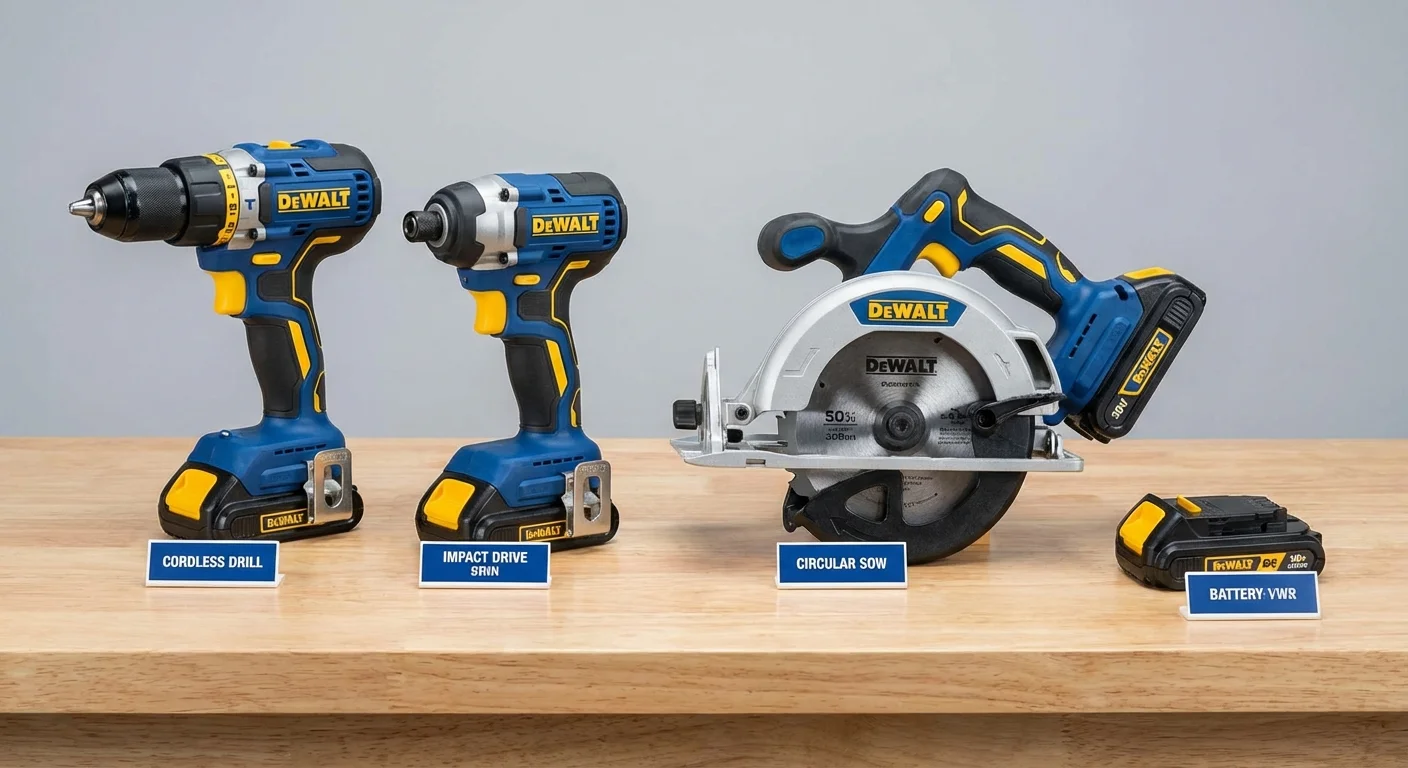
Read the tool and accessory limits
The machine, accessory and material must be suitable for the same operation. Check the manual for the intended use, accessory dimensions, mounting method and any speed limits. A part that can physically be attached is not necessarily compatible. Guards and safety devices are part of the intended setup, not optional obstructions. If an operation is unfamiliar or cannot be carried out with the specified safeguards, seek competent guidance rather than improvising a different use.
Compare the complete working setup
Battery capacity, bare-tool weight and headline power figures do not describe the whole job. Consider the fitted accessory, dust-control requirements, working position and compatible batteries or chargers. Check which parts are actually included in the offered package. Compatibility can vary between model generations even when a brand name is shared. Manufacturer specifications are useful facts, but they are not our own measured endurance or performance results. We do not assign test scores without a documented test.
Make inspection part of the routine
Inspect for damage and follow the manual before changing accessories, cleaning or clearing a jam. Isolate the power source using the manufacturer's procedure; a trigger that is not being pressed is not the same as isolation. Choose protection for the actual dust, noise and other hazards rather than assuming one item suits every task. Stop using equipment that behaves unexpectedly, and use authorized repair arrangements where required. Electrical faults and structural repairs are not suitable occasions for a trial-and-error approach.
Read the CCOHS general hand-tool guidance and electric power-tool guidance alongside the instructions for your equipment.