Is the biggest tool set the best starting point?
Not necessarily. Identify the jobs, sizes and profiles you need first. Clear markings, condition and replacement availability can matter more than the number of pieces.
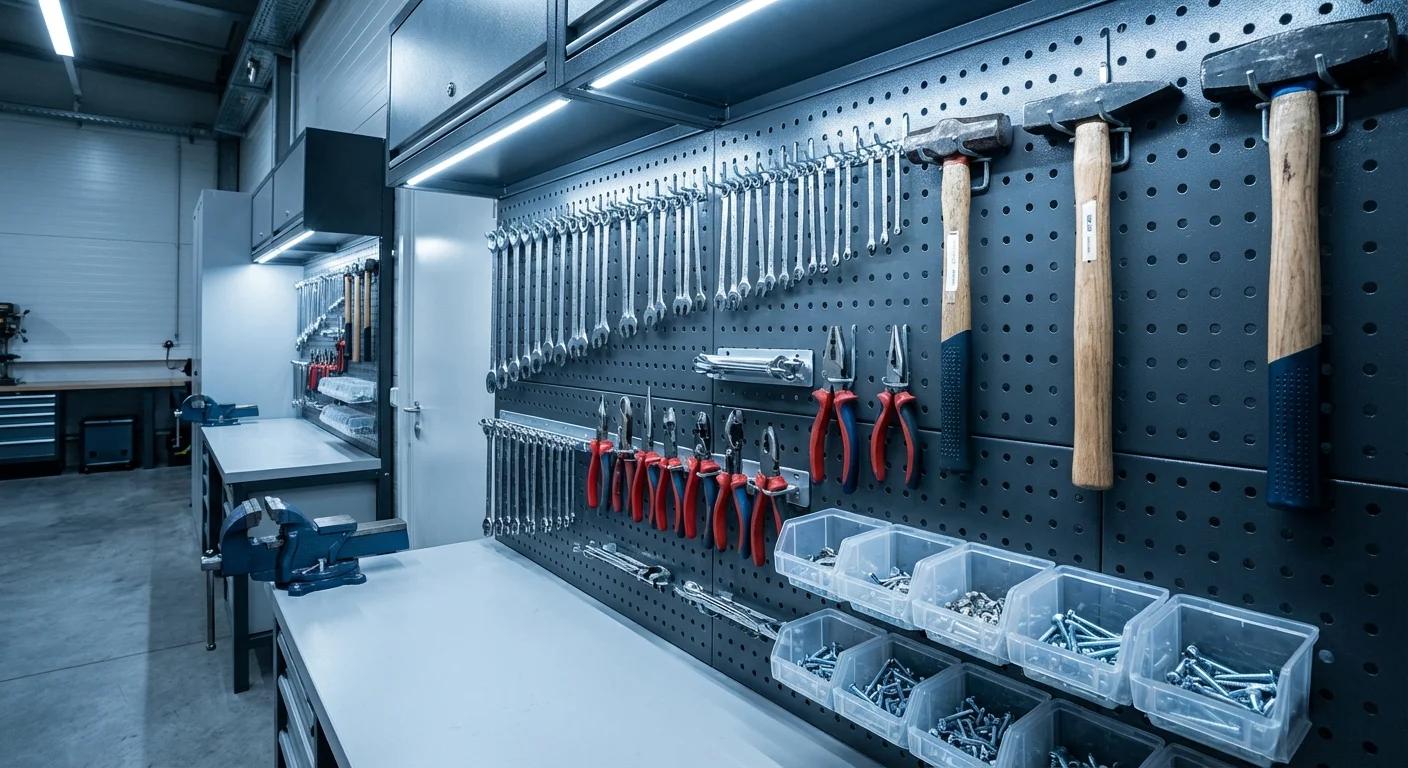
Tools and home workshops
Start with the task, then choose the tool.
Questions for the workbench
A fastener that is hard to reach, a workpiece that will not stay still and an accessory that does not match the machine are different problems. Buying more power does not resolve all of them. Schraubär starts with the operation and looks at fit, control, maintenance and the conditions that could make a proposed method unsuitable.
Compare the complete setup rather than a headline specification. Check what the package includes, which batteries or accessories are compatible and how worn parts can be replaced. A manufacturer rating describes specified conditions, not every working setup. Check the stated conditions before comparing two figures.
For an occasional task, borrowing the right equipment or obtaining a correct replacement part may be more useful than buying a larger kit. First identify what must be confirmed. Work involving structure, regulated systems or uncertain hazards can require a qualified professional rather than another general-purpose tutorial.
Fit
Match the tool
Control
Plan the movement
Maintain
Inspect and store
Name the material, fastener and change you want to make. Note any load, hidden service or permission that needs professional confirmation.
Confirm size, profile and access. A tool that catches an edge is not necessarily seated correctly, and a nearby size is not a substitute.
Use the equipment manual and relevant safety guidance. Guards, accessory ratings and power isolation belong in the plan before work starts.
Check the tool and workpiece, arrange suitable support and keep the movement path clear. Set damaged equipment aside rather than testing it under load.
Unexpected movement, poor engagement and unexplained resistance are reasons to reassess. Do not replace a diagnosis with a longer handle or an improvised method.
Keep model identifiers, relevant instructions and maintenance notes. Record what was actually observed without turning one outcome into a universal product rating.
Not necessarily. Identify the jobs, sizes and profiles you need first. Clear markings, condition and replacement availability can matter more than the number of pieces.
No. A general explanation cannot inspect your equipment or certify a particular installation. Use the applicable instructions, local requirements and competent professional advice where needed.